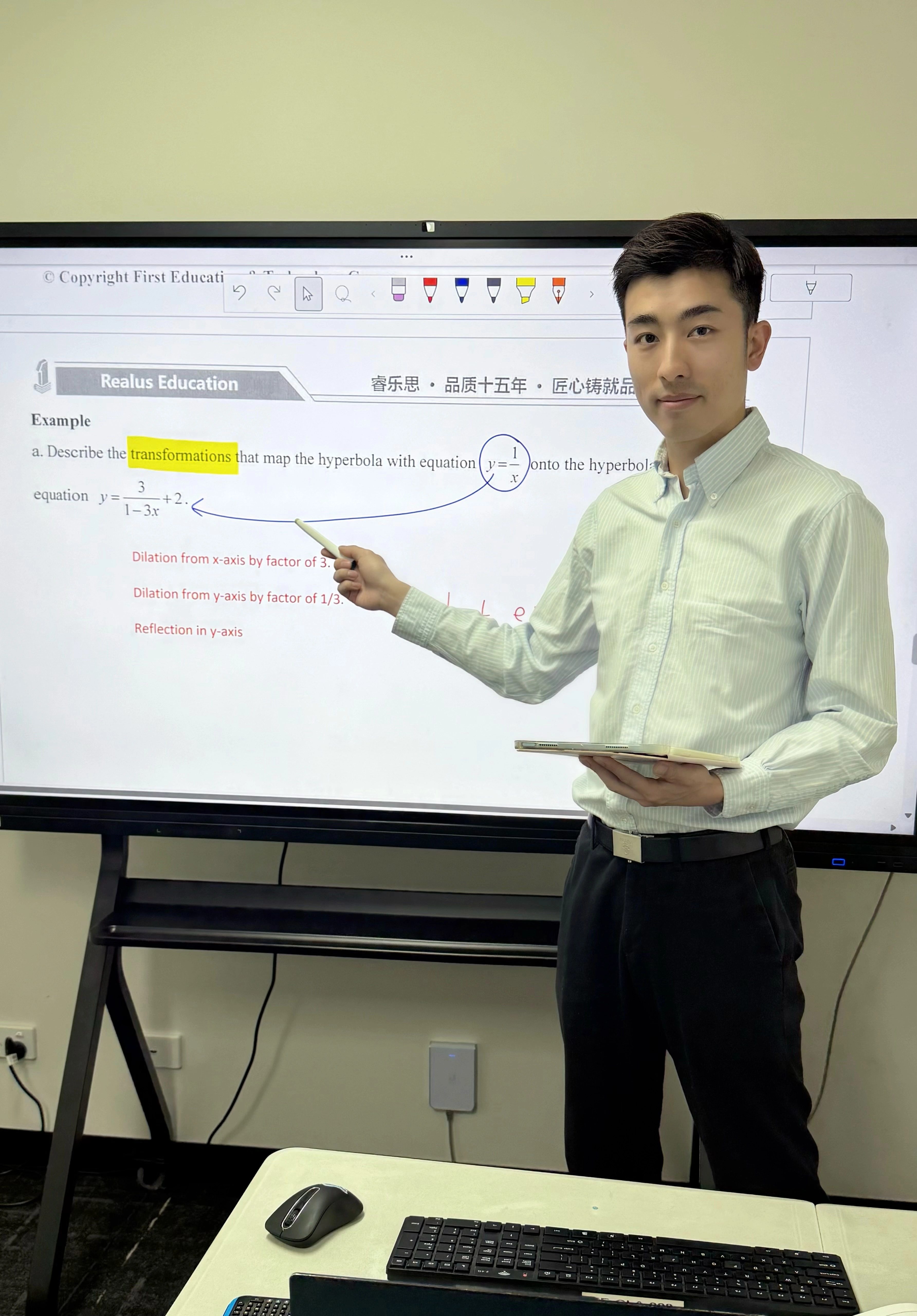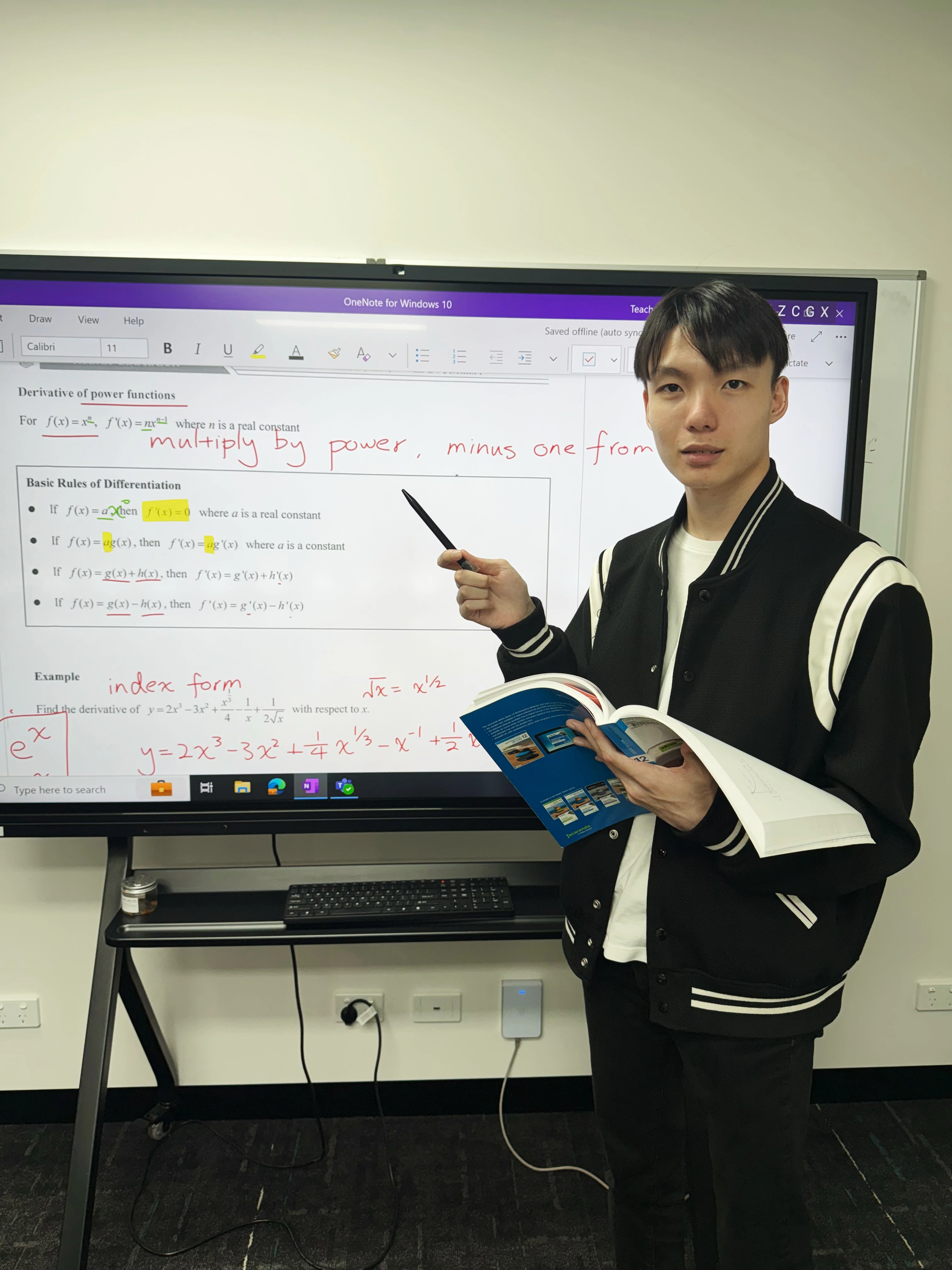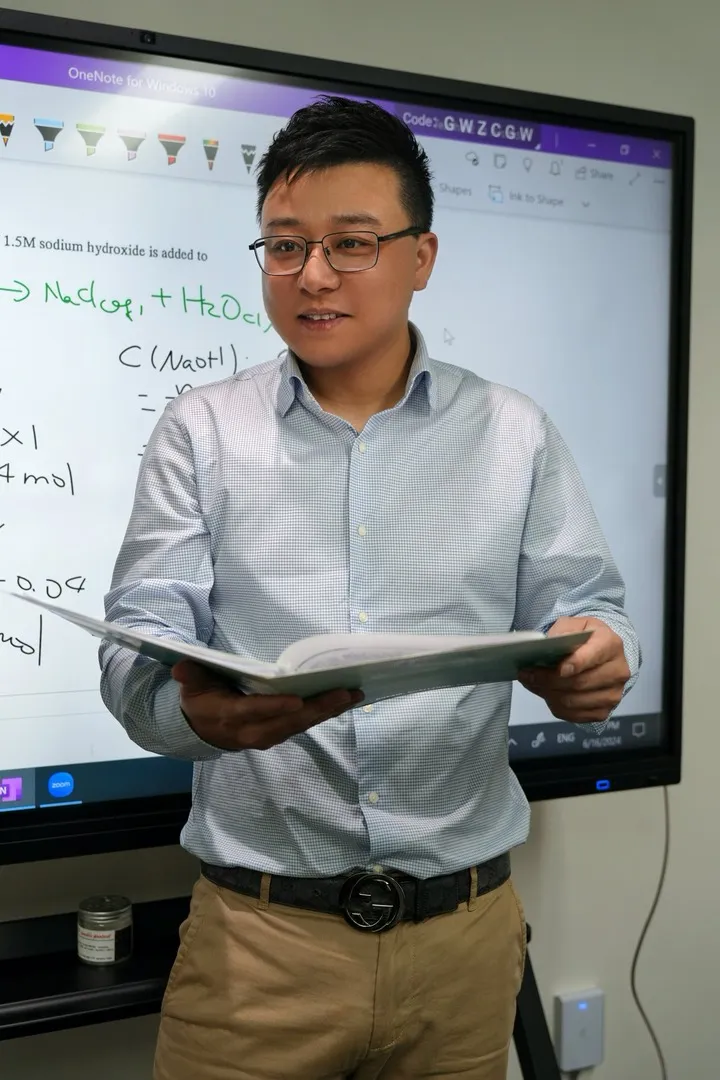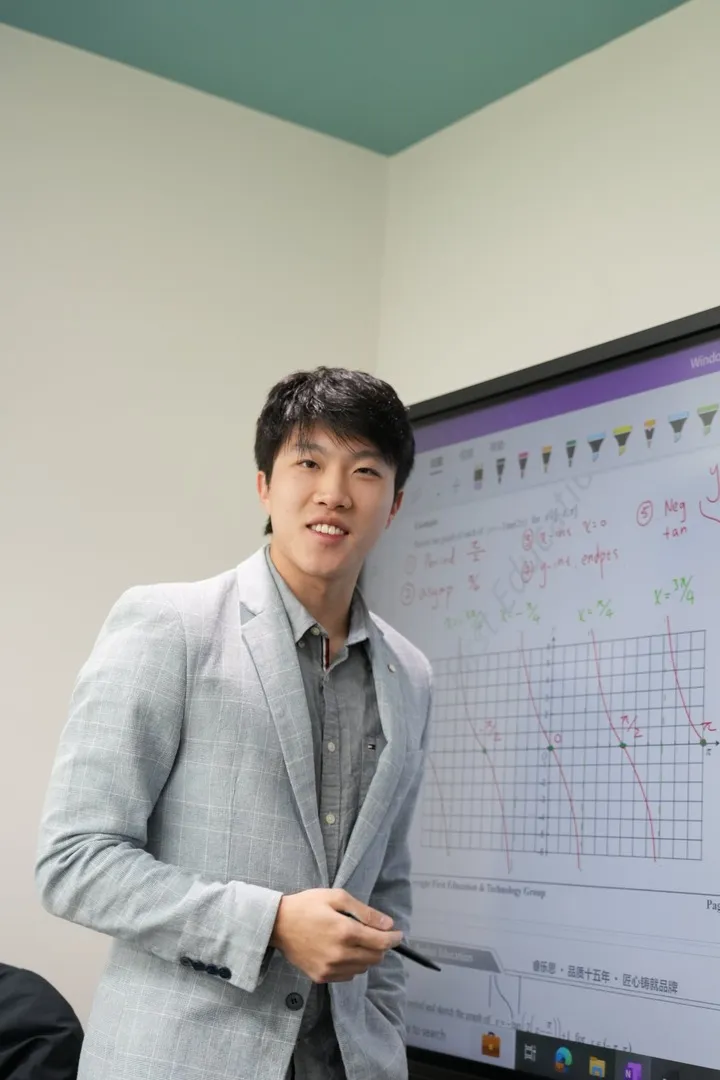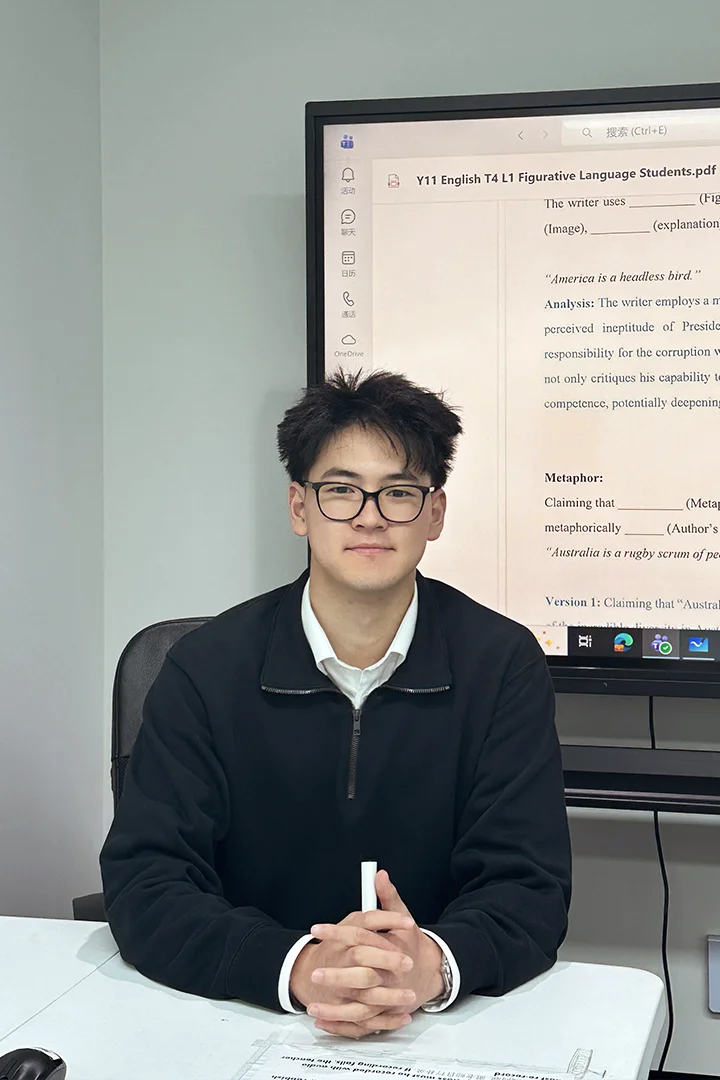
In Year 12, through Realus's unique O2O teaching model, we employ the "Three-Cycle Learning Method" to systematically review all key concepts, strengthen students' comprehensive application skills, and enhance their exam techniques.
This ensures that students perform at their best in the final VCE exams, maximising their potential.
At Realus, our educational philosophy is centered on systematic instruction and effective academic improvement.
Drawing on years of experience, our research and teaching team has innovatively developed the VCE Excellence Program, which incorporates two core educational principles: "Advanced Learning" and the "Three-Cycle Review Method." We encourage students to discover the joy of learning through exploration and practice, fostering critical thinking to analyse the depth and breadth of knowledge and its application in the real world.
From Year 7 to Year 10, we ensure students' academic growth while focusing on cultivating their independent thinking, creativity, and a lifelong learning attitude. In Years 9 and 10, we begin guiding students to engage with VCE exam content.
Following the concept of "advanced learning," we introduce VCE content in Years 9 and 10. This approach ensures that by the end of Year 11, students will have mastered all the essential VCE exam content, with additional extension where necessary.
Utilising the "Three-Cycle Revision Method," we systematically review all key knowledge points in Year 12. This approach strengthens students' comprehensive application abilities, enhances exam techniques, and ensures that students can perform at their best in the final VCE exams, maximising their personal potential.
Learn: Systematic curriculum structure.
Practice: In-class practice combined with homework for reinforcement.
Test: Periodic tests to identify gaps and reinforce learning thoroughly.
Evaluate: Learning report feedback, connecting school and home.
Assist: Detailed homework analysis and an educational consultation platform.
The REALUS teaching and research team has developed scientific, rigorous, and engaging teaching materials.
The curriculum is designed with spiral knowledge arrangements, comprehensive course layouts, and progressive exercises, providing students with a complete and systematic learning experience.
Understand and apply fundamental accounting principles, including the double-entry system, to accurately record and classify financial transactions.
Learn to prepare, interpret and analyse key financial statements—Balance Sheet, Income Statement and Cash Flow Statement—to evaluate business performance and financial stability
Master inventory management procedures, including FIFO and identified cost, and analyse how different valuation methods influence profit and financial indicators.
Understand the factors affecting business profitability and liquidity, and learn methods to optimise financial outcomes in operational and strategic decision-making.
Learn to manage and assess accounts receivable, accounts payable and cash control processes, including budgeting, variance analysis and short-term financial planning.
Master the classification, recognition and reporting of non-current assets, including depreciation methods and their implications for financial reporting and asset management.
Understand and apply internal control principles to safeguard assets, prevent fraud, and ensure the reliability and accuracy of accounting information.
Evaluate ethical considerations and professional accounting standards, and understand the role of accounting in responsible, compliant and sustainable business operations.
Explain and analyse fundamental accounting assumptions, qualitative characteristics and accounting principles, and evaluate their impacts on financial reporting.
Master the preparation and interpretation of key financial statements, including the Balance Sheet, Income Statement and Cash Flow Statement, and analyse business performance using these reports.
Design and analyse inventory valuation methods, including FIFO and identified cost, and evaluate how valuation choices influence profit outcomes and decision-making.
Understand the role of budgeting, cash management and variance analysis in financial control, and explain their significance in maintaining profitability and liquidity.
Master the procedures for managing accounts receivable, accounts payable and cash control, and apply them effectively in practical business scenarios.
Proficiently master the recognition, measurement and reporting of non-current assets, including depreciation methods and the analysis of asset replacement decisions.
Conduct financial ratio analysis, including profitability, liquidity and efficiency indicators, and understand their importance in evaluating business performance and supporting managerial decisions.
Understand ethical principles and internal control mechanisms, and be able to identify and prevent risks such as fraud, errors and misstatements in accounting practice.
Lecture 1:Introduction to Accounting
Lecture 2:The Accounting Elements
Lecture 3:Accounting principles and qualitative characteristics
Lecture 4:Ledger Accounts vs The General Ledger
Lecture 5:Cash transactions, documents, GST, and the General Journal
Lecture 6:Recording credit transactions
Lecture 7:Other transactions – documents, GST and the General Journal
Lecture 8:Recording and Reporting for Inventory
Lecture 9:Managing and Valuing Inventory
Lecture 10:Recording for Profit
Lecture 11:Reporting for Cash
Lecture 12:Balance Day Adjustments (Bad and Doubtful Debts)
Lecture 13:Prepaid and Accrued Expenses
Lecture 14:Accounting for Non-current Assets
Lecture 15:Unearned and accrued revenue
Lecture 16:Budgeting
Lecture 17:Evaluating performance – Profitability
Lecture 18:Evaluating performance – Liquidity
for an Exceptional Learning Experience
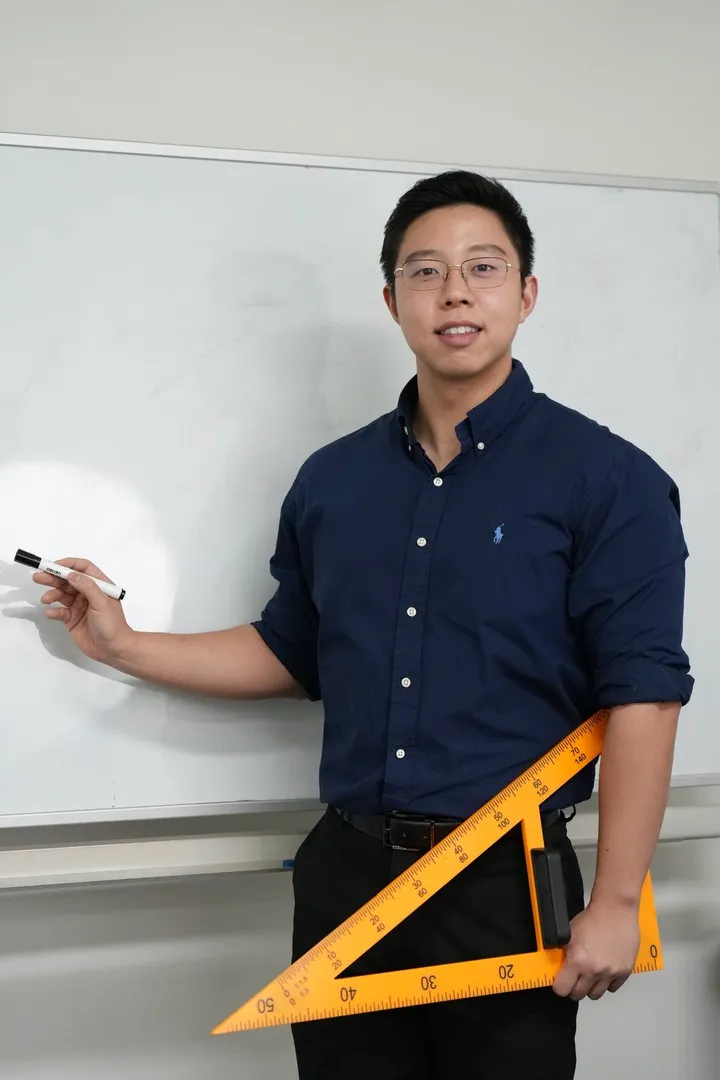
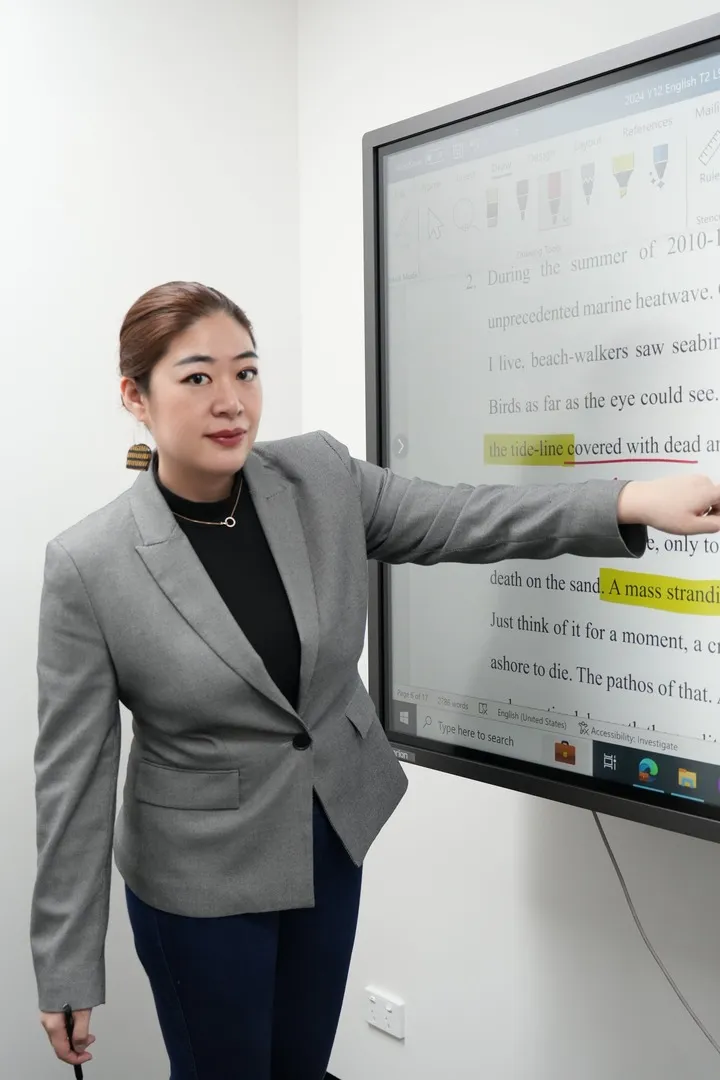
Our faculty comprises outstanding teachers who are graduates from world-class universities. They design rigorous and engaging courses, continually optimising content based on advanced international curricula and exam trends.
We strive to innovate beyond the limitations of traditional education through our MarsLadder platform, offering comprehensive, interactive, and personalised learning experiences.
Realus's O2O (offline-to-online) model effectively addresses issues of passive learning and delayed feedback for teachers and parents, creating an efficient learning loop that supports students' growth in an enjoyable and effective manner.
We offer synchronised live teaching both online and offline, with class recordings available for three months for repeated study. Post-class, our intelligent learning software supports learning, practice, and assessment.
Experienced VCE accounting teachers
'Three-Cycle Learning Method'
Scientific and rigorous teaching materials
Closely aligned with the Victorian curriculum
Complementary tests and assignments
Advanced class model (small/large class)
Technology-enabled teaching
One-on-one learning tracking service
Learning report feedback
Comfortable learning environment
Proven by 10,000+ students — from the classroom to the exam room, every effort leaves a lasting result.
In Year 12, through Realus's unique O2O teaching model, we employ the "Three-Cycle Learning Method" to systematically review all key concepts, strengthen students' comprehensive application skills, and enhance their exam techniques.
This ensures that students perform at their best in the final VCE exams, maximising their potential.
In Year 12, through Realus's unique O2O teaching model, we employ the "Three-Cycle Learning Method" to systematically review all key concepts, strengthen students' comprehensive application skills, and enhance their exam techniques.
This ensures that students perform at their best in the final VCE exams, maximising their potential.

In Year 12, through Realus's unique O2O teaching model, we employ the "Three-Cycle Learning Method" to systematically review all key concepts, strengthen students' comprehensive application skills, and enhance their exam techniques.
This ensures that students perform at their best in the final VCE exams, maximising their potential.

In Year 12, through Realus's unique O2O teaching model, we employ the "Three-Cycle Learning Method" to systematically review all key concepts, strengthen students' comprehensive application skills, and enhance their exam techniques.
This ensures that students perform at their best in the final VCE exams, maximising their potential.
In Year 12, through Realus's unique O2O teaching model, we employ the "Three-Cycle Learning Method" to systematically review all key concepts, strengthen students' comprehensive application skills, and enhance their exam techniques.
This ensures that students perform at their best in the final VCE exams, maximising their potential.
In Year 12, through Realus's unique O2O teaching model, we employ the "Three-Cycle Learning Method" to systematically review all key concepts, strengthen students' comprehensive application skills, and enhance their exam techniques.
This ensures that students perform at their best in the final VCE exams, maximising their potential.

In Year 12, through Realus's unique O2O teaching model, we employ the "Three-Cycle Learning Method" to systematically review all key concepts, strengthen students' comprehensive application skills, and enhance their exam techniques.
This ensures that students perform at their best in the final VCE exams, maximising their potential.

In Year 12, through Realus's unique O2O teaching model, we employ the "Three-Cycle Learning Method" to systematically review all key concepts, strengthen students' comprehensive application skills, and enhance their exam techniques.
This ensures that students perform at their best in the final VCE exams, maximising their potential.
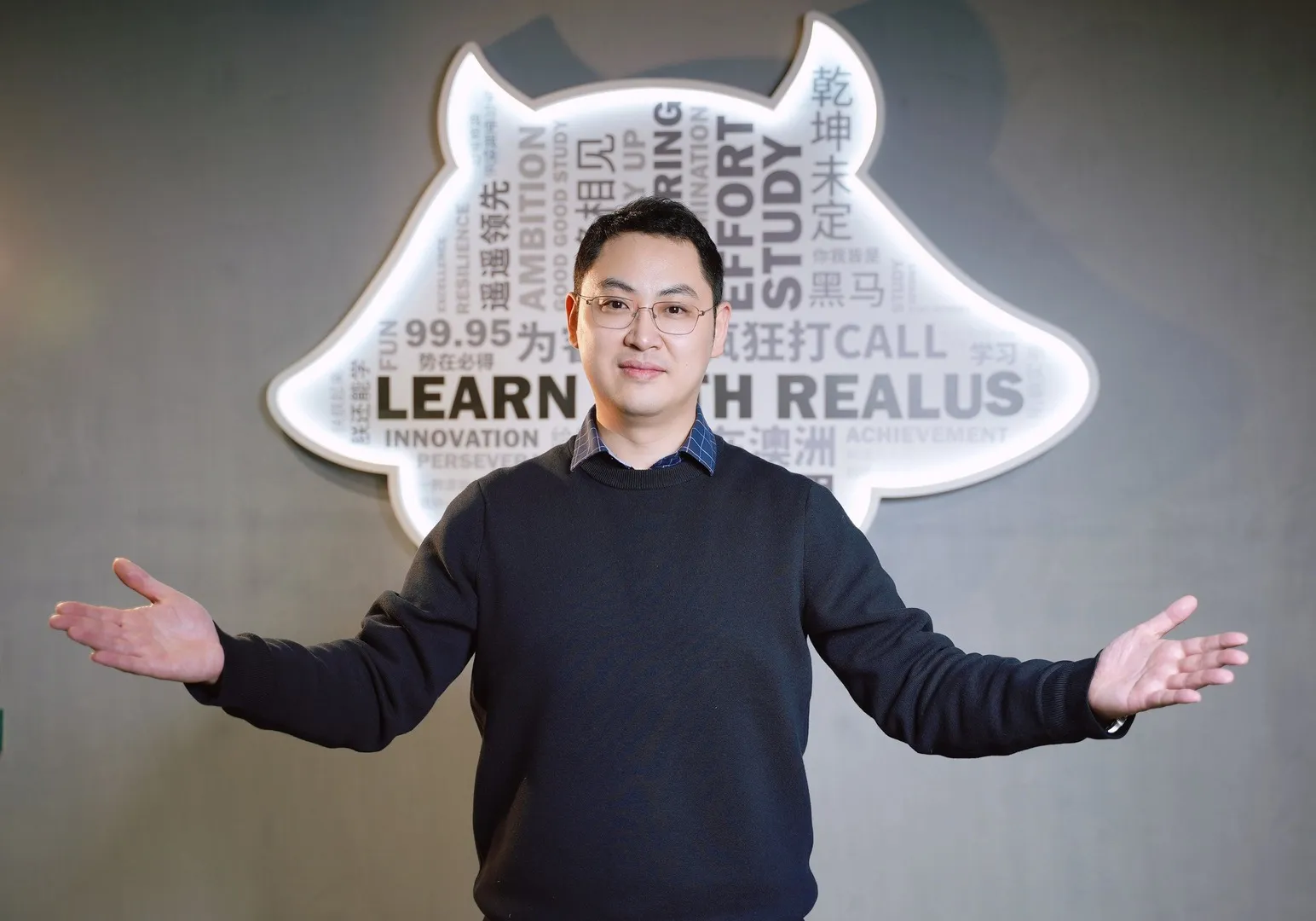
In Year 12, through Realus's unique O2O teaching model, we employ the "Three-Cycle Learning Method" to systematically review all key concepts, strengthen students' comprehensive application skills, and enhance their exam techniques.
This ensures that students perform at their best in the final VCE exams, maximising their potential.
In Year 12, through Realus's unique O2O teaching model, we employ the "Three-Cycle Learning Method" to systematically review all key concepts, strengthen students' comprehensive application skills, and enhance their exam techniques.
This ensures that students perform at their best in the final VCE exams, maximising their potential.
In Year 12, through Realus's unique O2O teaching model, we employ the "Three-Cycle Learning Method" to systematically review all key concepts, strengthen students' comprehensive application skills, and enhance their exam techniques.
This ensures that students perform at their best in the final VCE exams, maximising their potential.